

Almost Human (2013)
The Sci-Fi Show That Understood People

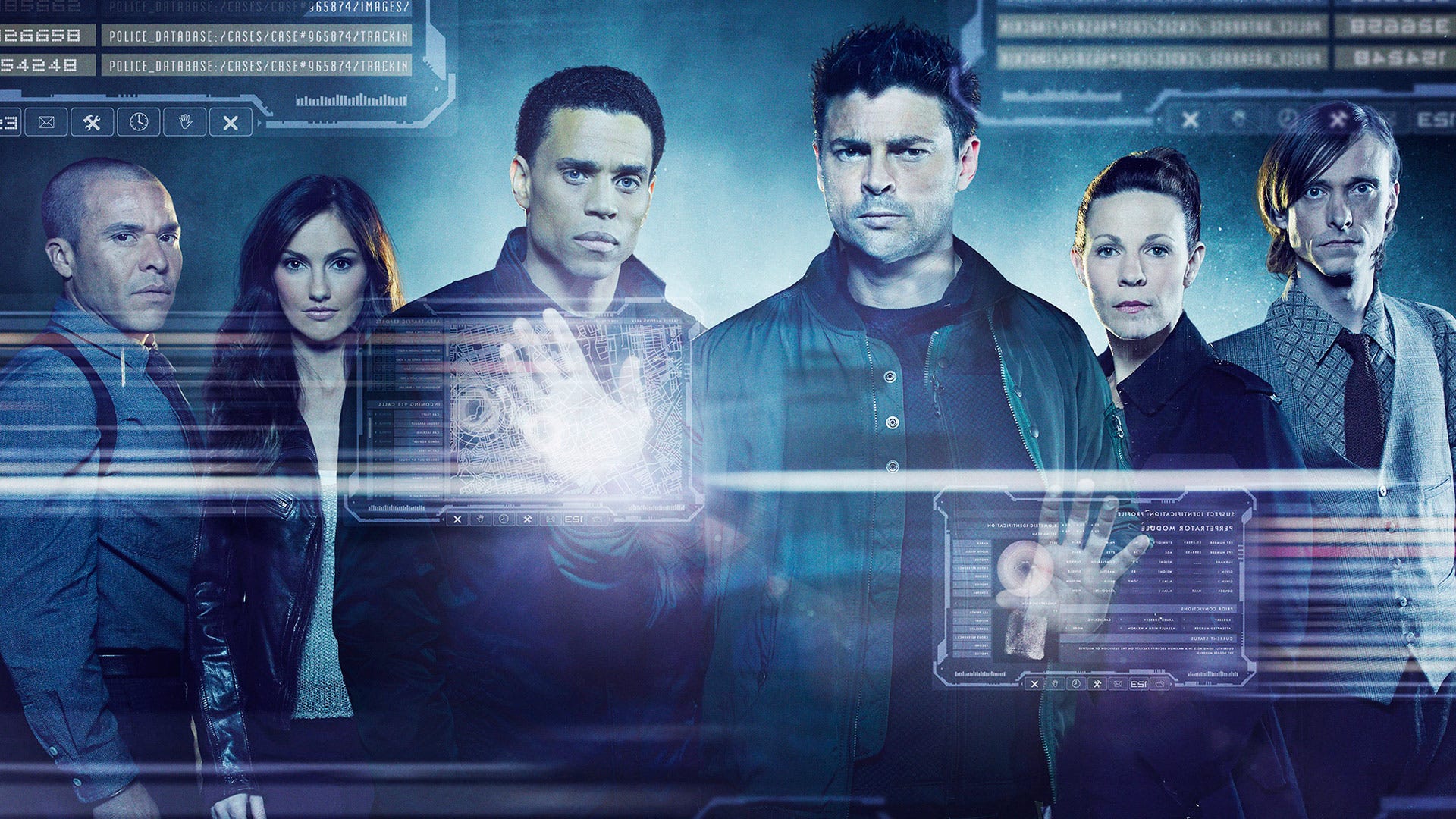
Almost Human came out in 2013 and disappeared quickly, but it stuck with people who watched it. It is a science fiction crime show set in 2048 where police officers work alongside android partners. The setup sounds familiar, but the show handles it in a way that feels grounded and character focused.
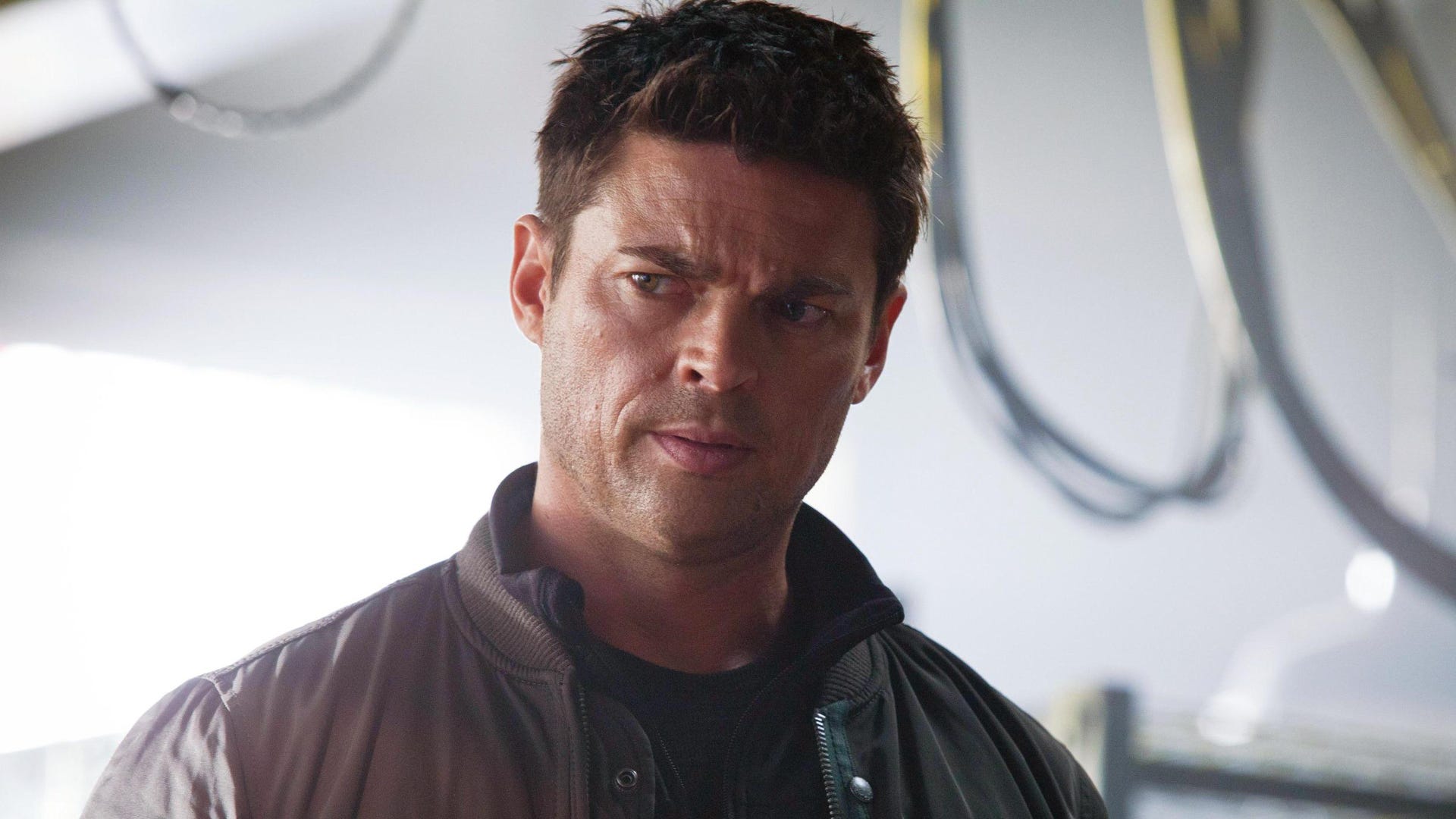
The story follows John Kennex, a detective who does not trust androids after a mission went wrong and left him injured. He is forced to partner with Dorian, an older model android that was taken out of service because it could feel emotions. That detail shapes the entire show. Instead of being a machine that acts perfectly, Dorian reacts, questions things, and sometimes makes decisions that are not logical but feel human.
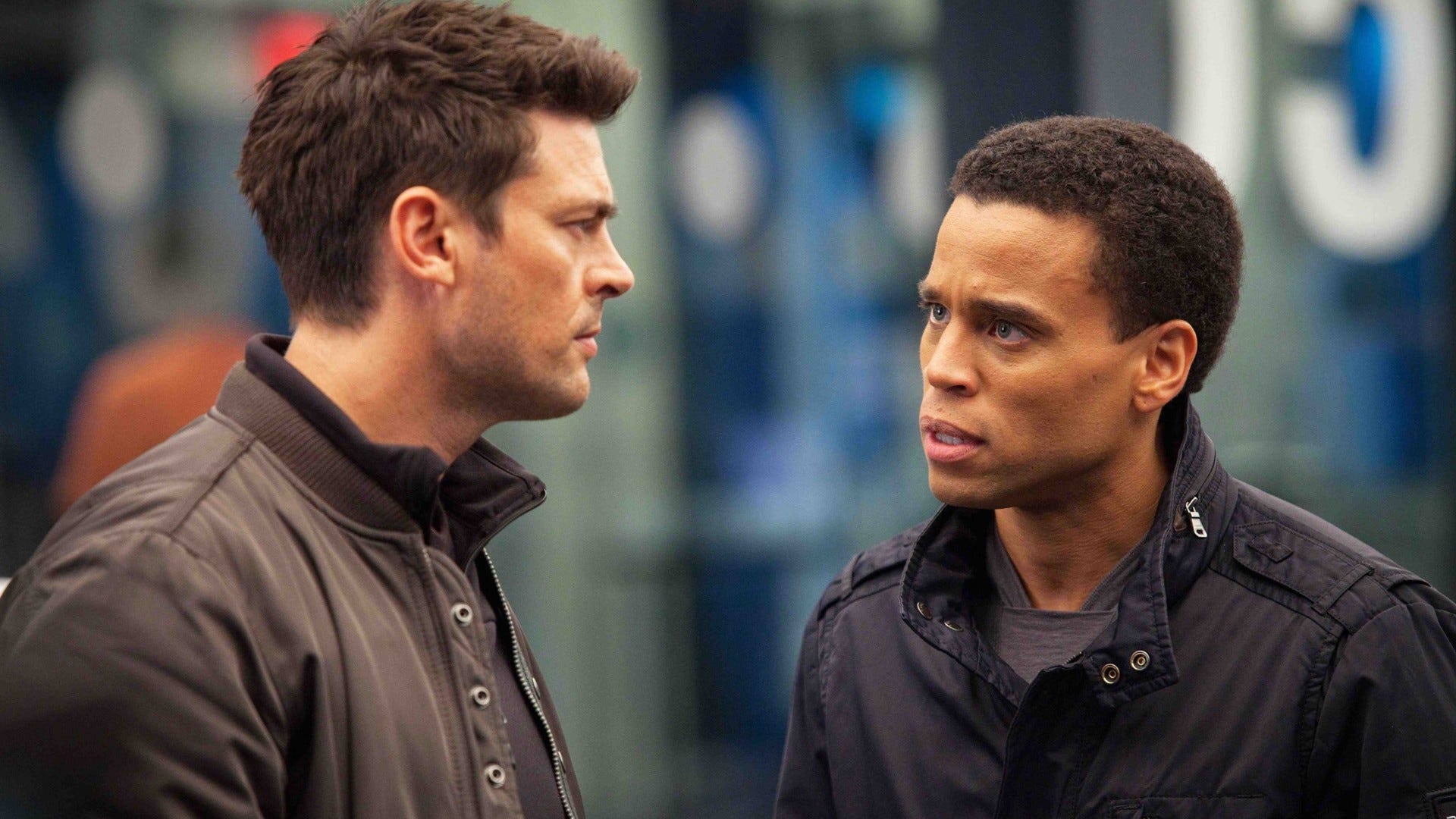
The core of the show is their relationship. Kennex starts off distant and suspicious, while Dorian is open and curious. Over time they meet in the middle. Their conversations carry most of the weight. Cases matter, but they often feel like a backdrop for the way these two understand each other. The show keeps returning to the same idea in different ways, which is what counts as being human and whether emotions are a flaw or an advantage.
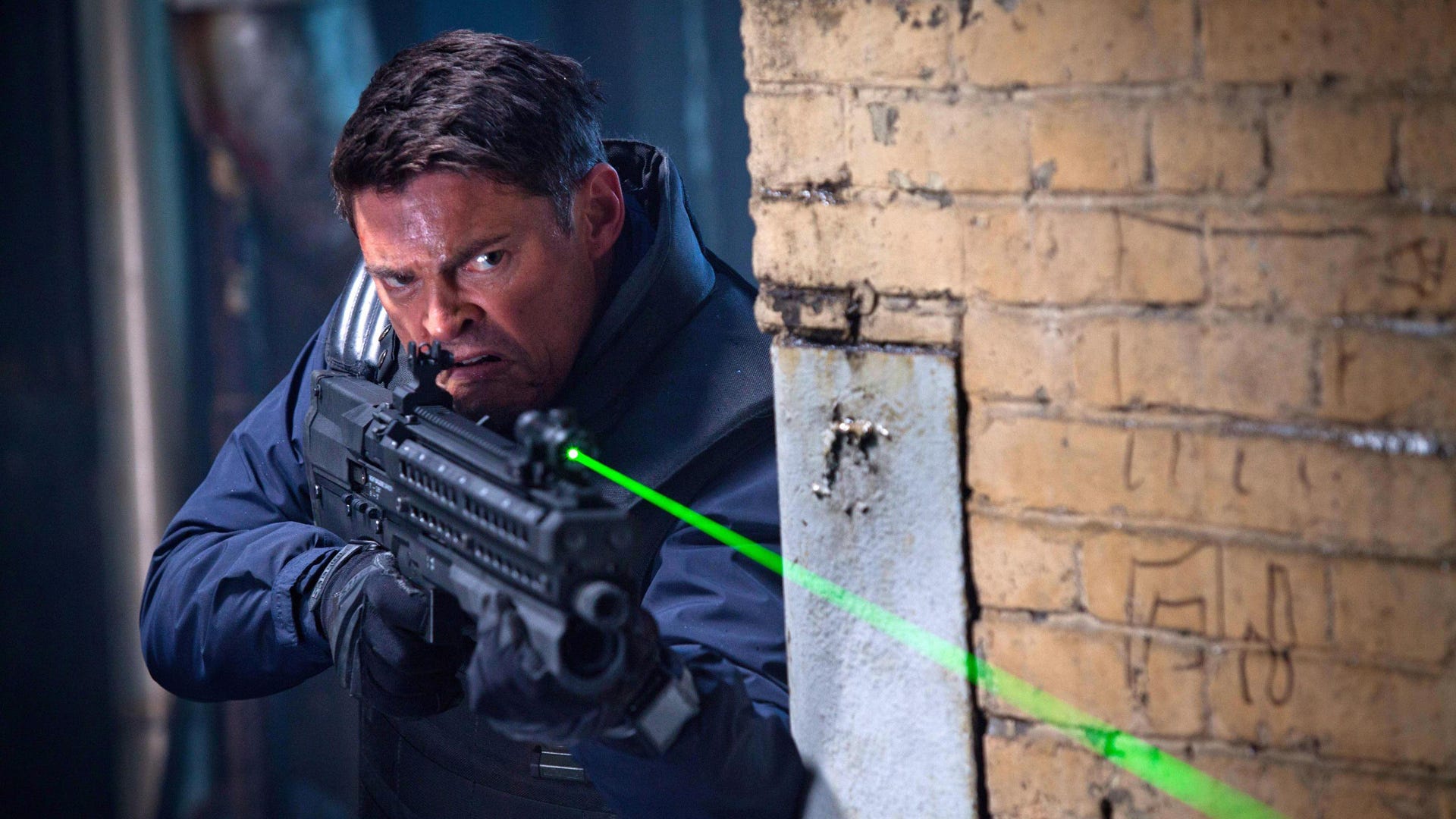
The world around them is built with enough detail to feel believable without getting overwhelming. Technology has changed crime in ways that make sense for the setting. There are synthetic humans, illegal modifications, memory tampering, and weapons that feel like natural extensions of current trends. The show does not stop to explain everything. It lets details sit in the background and trusts the viewer to keep up.
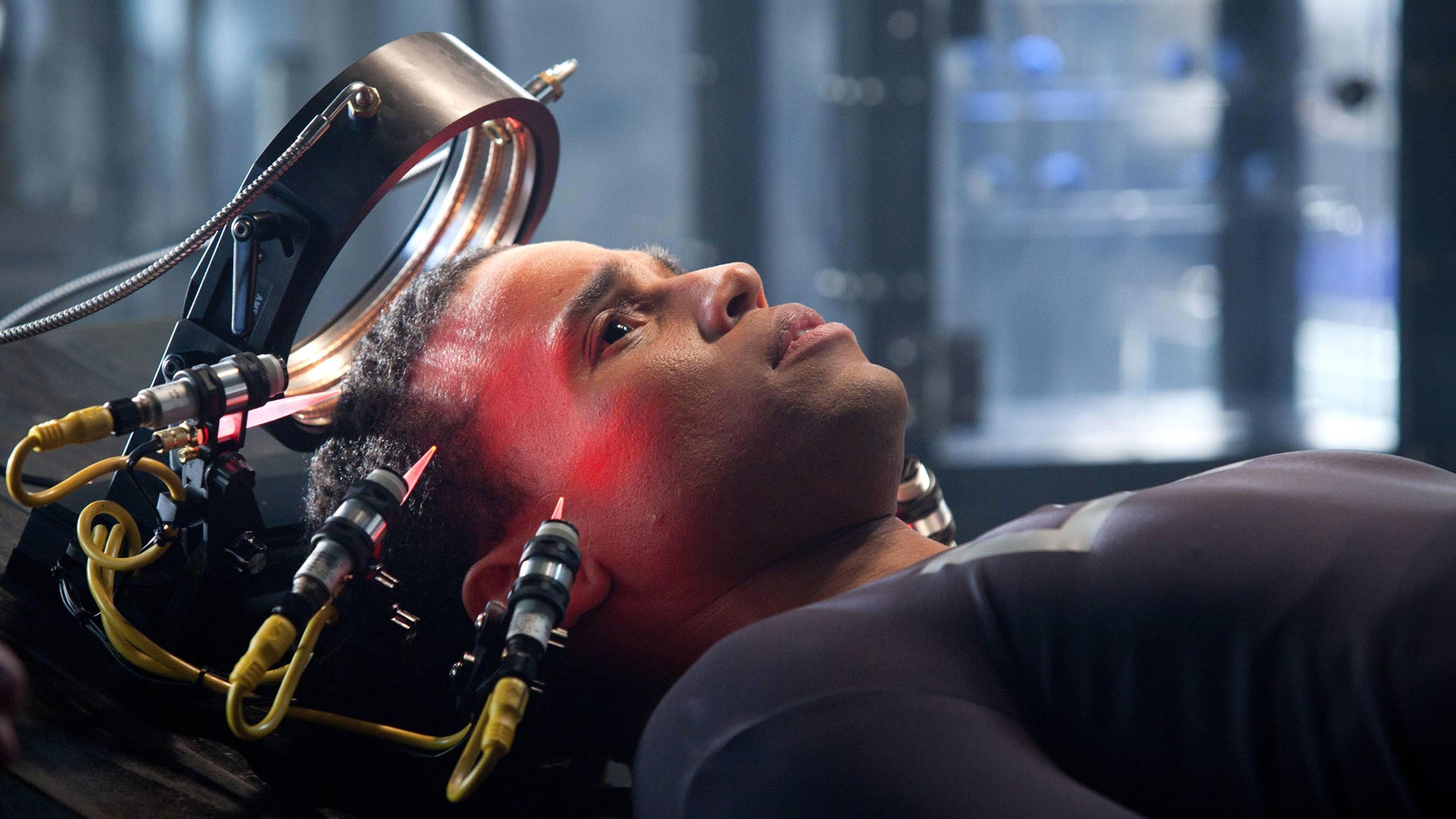
One of the more interesting choices is how it treats androids. The newer models are efficient but unstable because they cannot handle emotions. The older model Dorian can feel, which makes him seem less advanced on paper but more stable in practice. That flips the usual idea that progress always means improvement. It suggests that removing emotion might actually create more problems instead of solving them.
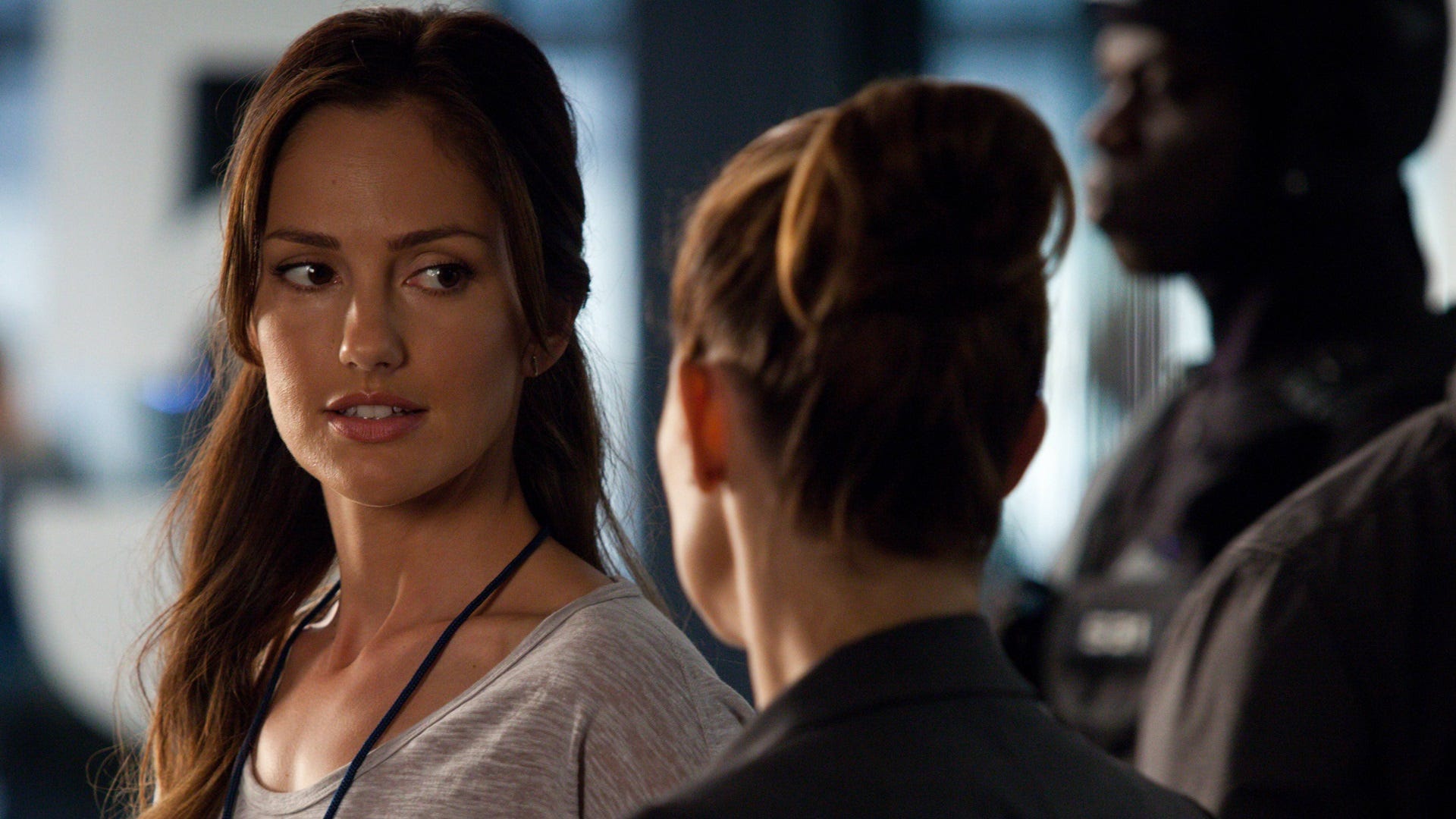
The tone stays steady. It mixes crime stories with quiet character moments. Some episodes lean more into action while others slow down and focus on ethical questions. It never tries to be too complex, which works in its favor. The ideas are clear and the dialogue carries them without feeling heavy.
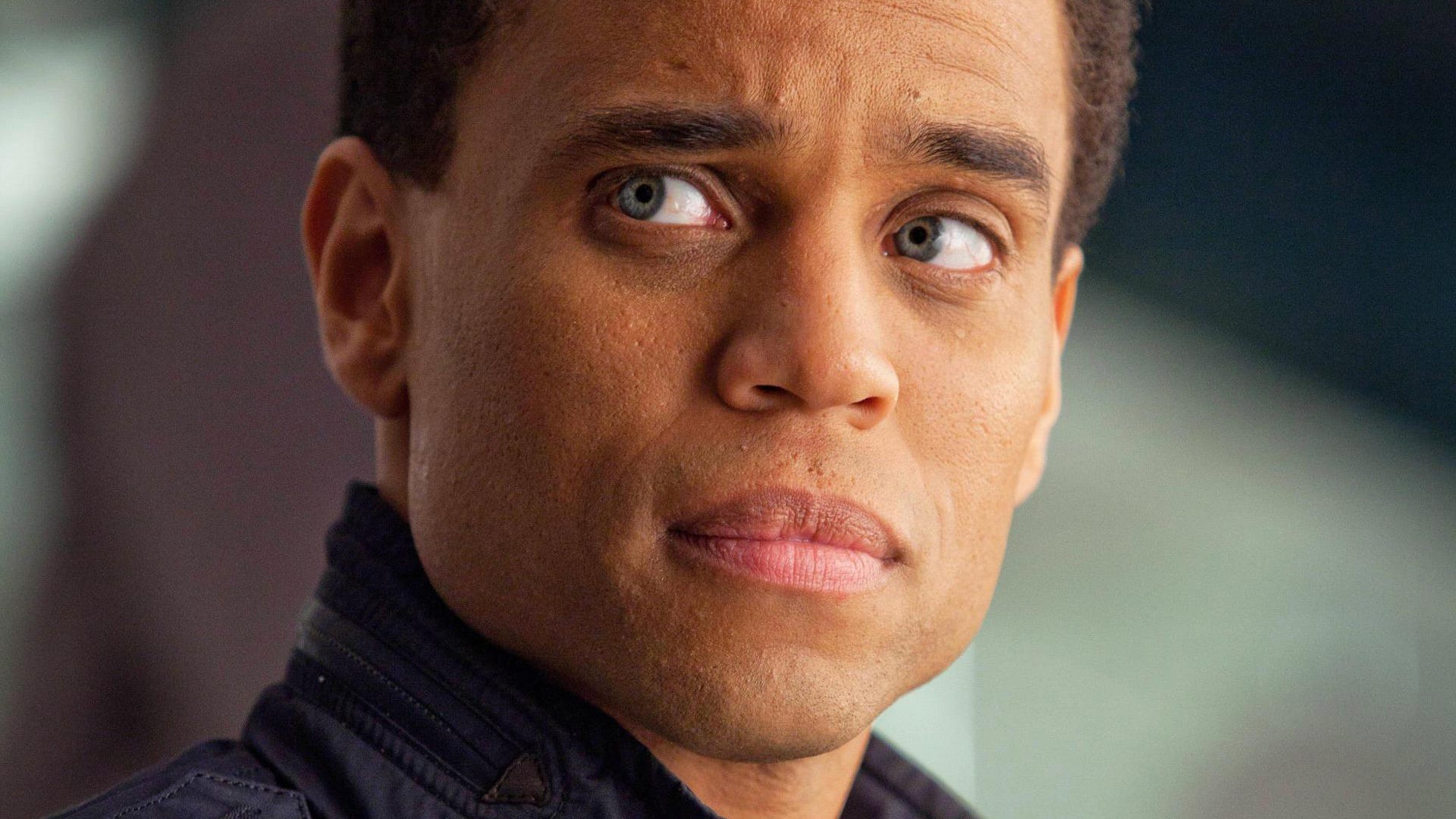
The show was expensive to produce and aired in a way that made it hard for unfocused viewers to follow consistently. Ratings dropped and it was cancelled after one season. That left the story open and cut off what could have been a longer arc for both characters and the world.
Even with that, it holds up as a short run. It gives enough to get attached to the characters and leaves just enough unexplored to make people wish there was more. It fits into the same space as other science fiction that uses technology to reflect current concerns instead of focusing only on spectacle.

One of my favorite shows. It's my "personal" Firefly. It never got the chance it deserved.